
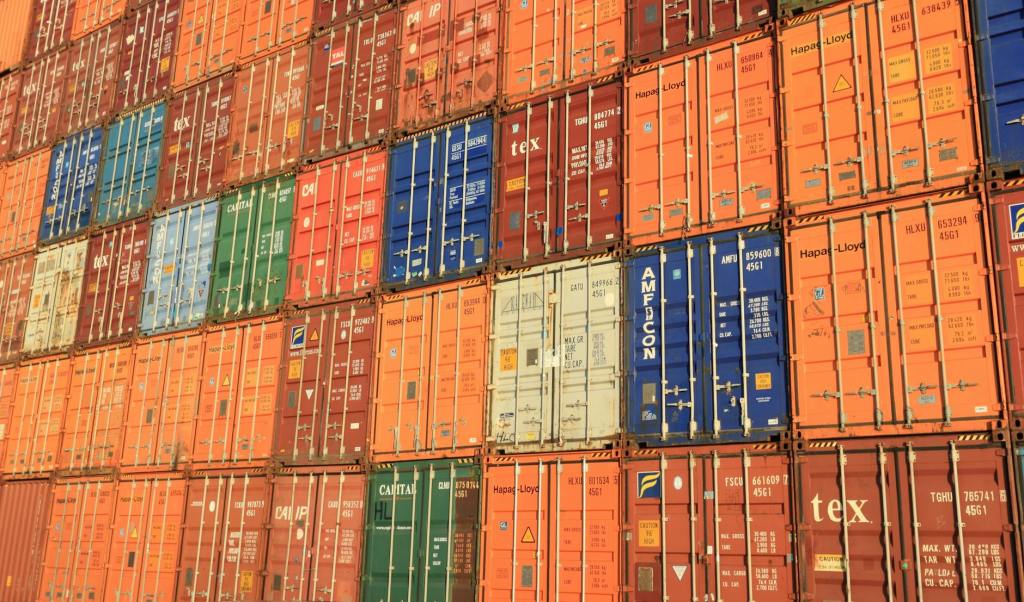
With the U.S. set to reimpose or expand tariffs on a range of imports in 2025, supply chains are once again bracing for impact. These policy shifts ripple across transportation networks, driving changes in sourcing, routing, and freight execution. One of the less visible, yet highly impactful, consequences is how tariffs distort accessorial truckload benchmarking. As shippers and carriers adapt to new flows and facility behaviors, accessorial charges like detention, driver assist, and layover can spike, and what may seem like an afterthought can quickly balloon costs if not thoughtfully planned. At Chronos Performance, we’re helping logistics leaders make sense of this volatility, ensuring benchmarks remain accurate, relevant, and actionable.
Understanding Accessorial Benchmarks
Before we dive into tariffs, a quick refresher: accessorial charges are the “extra” fees in freight. Think detention, layover, liftgate service, or driver assist. Benchmarking these fees means comparing your accessorial spend and performance against aggregated market data, helping you spot inefficiencies and optimize margins.
Where Tariffs Come Into Play
Tariffs change the flow of goods and when the flow changes, so does the behavior of truckload shipments. These shifts have a direct impact on accessorials in several ways:
- Changes in Origin and Destination Patterns
As tariffs shift sourcing strategies (e.g., moving production from China to Mexico or Vietnam), load lanes and distribution networks are restructured. This can result in longer hauls, unfamiliar facilities, and more touchpoints. All of which increase the likelihood of accessorial events like detention or lumper charges. - Increased Border and Port Congestion
Tariff-related changes often trigger spikes in volume at non-traditional ports or borders. Delays and congestion add uncertainty and lead to elevated detention and dwell times. If your benchmarks don’t account for these shifts, your accessorial costs may look out of line, when in reality, they’re part of a broader trend. - Rate Volatility Masks Operational Trends
Tariffs introduce cost noise. When base rates are fluctuating due to trade policy rather than operational efficiency, separating “true” performance issues from macroeconomic noise becomes harder. This skews benchmarking results and makes it difficult to isolate accessorial problems that are actually within your control. - Carrier Strategy Shifts
Carriers adapt to tariff impacts by rerouting networks, reallocating equipment, or adjusting service commitments. These changes affect service reliability and may lead to more accessorial disputes or renegotiations, especially on time-sensitive loads.
How to Maintain Accurate Benchmarking During Volatility
Despite the noise, benchmarking is still critical. Here’s how Chronos Performance helps customers stay accurate and actionable:
- Lane-Level Normalization
We normalize accessorial performance by lane, factoring in congestion, border crossings, and facility performance so you get a clearer picture of what “good” really looks like in a volatile environment. - Peer-Based Comparisons
Instead of comparing against a generic industry average, we give you peer-based benchmarks: other shippers operating in similar lanes, modes, and industries — which gives your data real context.
Final Thoughts
Tariffs may be outside your control, but how you interpret their impact is not. With the right tools, accessorial benchmarking can continue to mitigate risk in your supply chain.
At Chronos Performance, our goal is to turn volatility into clarity. Let’s ensure your benchmarks reflect the real story behind your freight operations.

 Chronos Performance Solutions
Leave a comment