
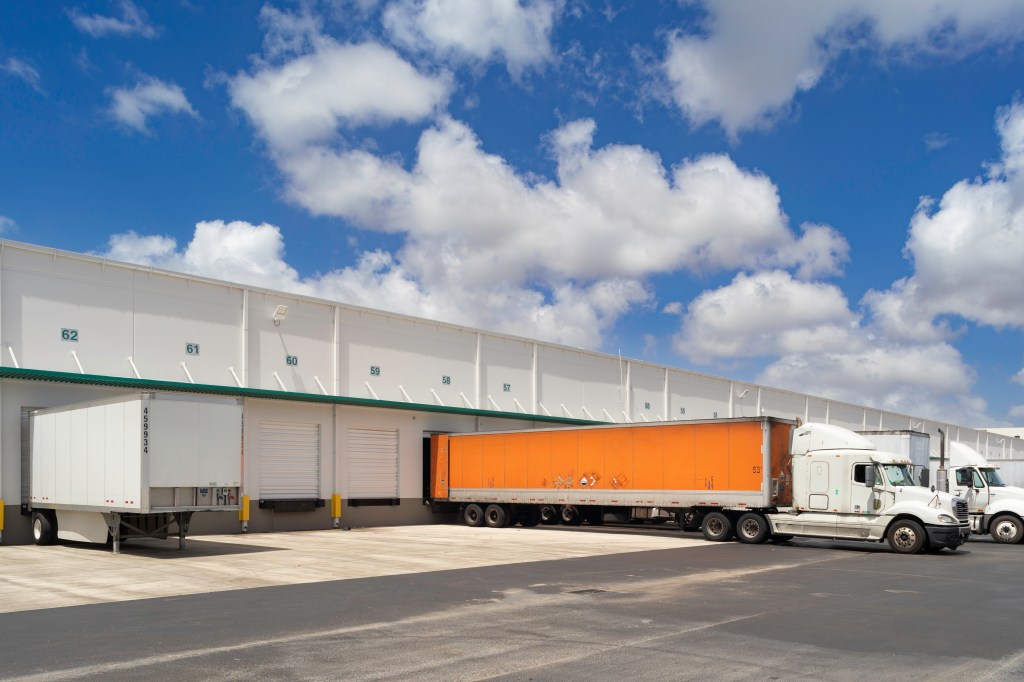
One of the most persistent and costly inefficiencies is driver detention, the time drivers spend waiting at a shipper or receiver beyond the agreed-upon loading or unloading window. While a few extra minutes may seem insignificant, the cumulative effect of excessive detention time creates a ripple effect across the entire supply chain, impacting capacity, rates, driver retention, and overall operational efficiency.
Understanding the Cost of Detention
Driver detention can be a significant financial burden. Carriers typically allow two free hours for loading or unloading, but once that window closes, detention fees kick in. However, these fees often fail to compensate for the true cost of lost time. A driver stuck for three, four, or even five hours at a facility can throw off their entire schedule, leading to:
- Reduced daily mileage: Time spent waiting is time not spent driving, limiting the number of loads a driver can haul.
- HOS (Hours of Service) compliance challenges: The FMCSA’s strict regulations on driving hours mean excessive waiting cuts into valuable on-duty time, forcing drivers to shut down early.
- Increased operational costs: Fuel consumption from idling, missed backhaul opportunities, and inefficiencies in asset utilization all eat into profits.
According to an FMCSA study by the U.S. Department of Transportation’s Office of Inspector General, even a 15-minute increase in average dwell time leads to a 6.7% reduction in miles driven per day.
The Market-Wide Impact of Detention
While detention directly affects carriers and drivers, the consequences extend far beyond the loading dock. The truckload transportation market operates on delicate supply and demand dynamics, and detention time disrupts the balance in several key ways:
1. Reduced Capacity & Higher Freight Rates
When trucks are held up at facilities, they are effectively removed from the available capacity pool. With fewer trucks on the road completing deliveries, supply tightens. This drives up freight rates, especially in high-demand seasons when every truck counts. Shippers that routinely cause detention may find themselves paying premium prices as carriers factor in potential delays.
2. Driver Shortages & Turnover
One of the biggest frustrations for drivers is unpaid or underpaid detention time. When drivers aren’t making money, they look elsewhere. High detention rates contribute to the industry’s ongoing driver retention crisis, forcing carriers to increase wages and recruitment efforts to fill seats. In turn, this raises overall transportation costs for shippers.
3. Declining Service Levels
When one delay occurs, it triggers a chain reaction. A driver detained at a pickup is now late for their delivery. This causes missed appointment windows, rescheduled loads, and unpredictable transit times. Shippers with chronic detention issues may struggle to secure reliable carrier capacity, as carriers prioritize freight that keeps their wheels moving.
4. Increased Pressure on Small & Mid-Sized Carriers
Large fleets may be able to absorb some detention inefficiencies, but small to mid-sized carriers—which make up the majority of the trucking industry—suffer the most. With tighter margins, excessive delays can be the difference between profitability and financial strain. As a result, some smaller carriers may refuse loads from problematic shippers, further tightening capacity in the market.
The Push for Solutions: How the Industry is Responding
The good news? The industry is taking detention time seriously. Here are some of the ways shippers, carriers, and regulatory bodies are addressing the issue:
- Data-Driven Benchmarking: Platforms like Chronos Performance provide real-time benchmarking tools, allowing carriers and shippers to track detention trends, identify problematic facilities, and negotiate better terms.
- Stronger Contracts & Policies: More carriers are enforcing higher detention fees and refusing to work with facilities that consistently cause delays.
- Drop-and-Hook Strategies: Large shippers are investing in drop trailer programs to reduce live loading and unloading times.
- Technology & Visibility: Automated check-in systems, dock scheduling software, and GPS tracking improve efficiency and reduce wait times.
- Regulatory Pressure: The FMCSA continues to explore ways to address detention issues through policy changes and enforcement, though the industry is still waiting for widespread legislative action.
Conclusion: Time is Money and Detention is Wasting Both
The impact of driver detention on the truckload transportation market is undeniable. What seems like a small operational hiccup quickly scales into higher freight costs, reduced efficiency, driver shortages, and service disruptions. The solution is in proactive benchmarking, accountability, and smarter logistics strategies.
Shippers that prioritize efficiency and minimize detention will gain a competitive edge, securing more reliable capacity and lower rates. Carriers that track and enforce detention policies will protect their margins and improve driver retention. And the entire industry will move closer to a more balanced, efficient, and profitable supply chain.

 Chronos Performance Solutions
Leave a comment